Articles

Shahrokhi Flexible Duct

Shahrokhi Flexible Ducts – A Smart Solution for Modern Air Conditioning

In today’s rapidly advancing construction and facilities industry, air conditioning systems are recognized as essential components for the comfort, health, and productivity of residential, commercial, and industrial environments. At the heart of these systems are various components, each playing a crucial role in overall performance. The Shahrokhi flexible duct is one of these key components, gaining a special place in ventilation projects due to its exceptional flexibility, quick installation, and advanced design.

As the first and largest specialized manufacturer of flexible ducts and ventilation equipment in Iran, the Shahrokhi Industrial Group relies on modern technology and high-quality raw materials to offer products that meet global standards. In the following sections, we will comprehensively explore the features, applications, advantages, and important considerations for selecting Shahrokhi flexible ducts.
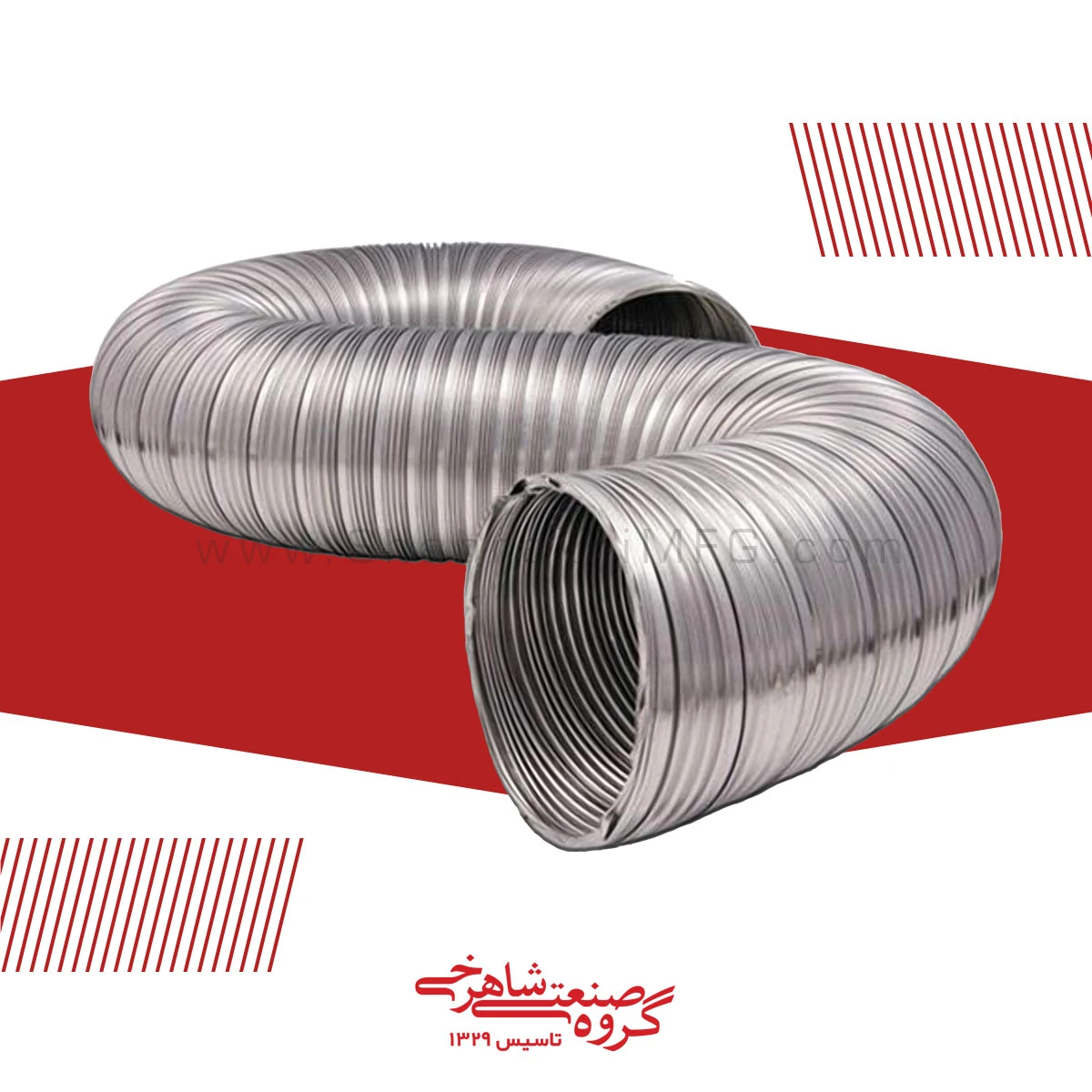
 

لوله فلکسیبل

What is a Flexible Duct and What Role Does It Play in Ventilation Systems?

A flexible air duct is a type of flexible channel used for air flow in heating, cooling, and air conditioning systems. These ducts are typically made from a spiraled metal or plastic core, layers of thermal or acoustic insulation, and a protective covering made of PVC or aluminum foil.

Unlike rigid metal ducts, flexible ducts can be easily installed in curved paths, tight spaces, and behind false ceilings, making them the best choice for projects with space constraints or complex designs.

Structural Features of Shahrokhi Flexible Ducts

  • Durable Inner Core: Made from spiraled aluminum or steel to withstand air pressure.
  • Thermal and Acoustic Insulation: Prevents energy loss and reduces noise from airflow.
  • Moisture and Fire-Resistant Protective Covering: Ensures high durability even in harsh environmental conditions.
  • Lightweight and Easy to Transport: Ideal for fast-paced projects with limited access.

Advantages of Shahrokhi Flexible Ducts in Air Conditioning Systems

  1. Unmatched Flexibility: Allows passage through complex paths without the need for elbows and multiple connections.
  2. Quick and Easy Installation: Requires no heavy equipment, saving time and installation costs.
  3. Effective Insulation: Insulated models prevent energy loss and sound transmission.
  4. Reduced Project Costs: Due to lightweight, fewer connections, and fast installation speed.
  5. Customizability: Available in various diameters and lengths (5, 6, or 10 meters) tailored to project requirements.
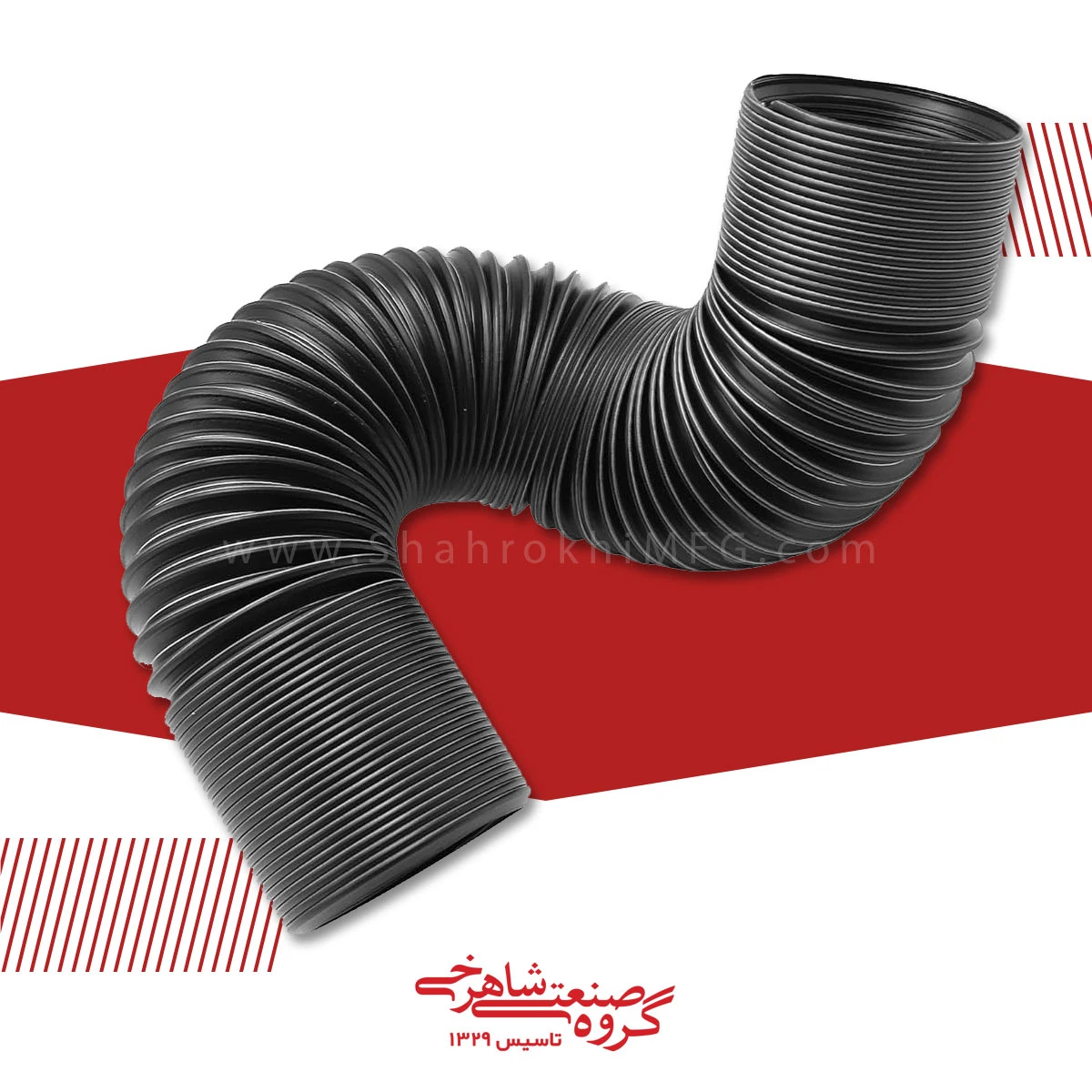
 

لوله فلکسیبل شاهرخی

Applications of Shahrokhi Flexible Ducts

  • Residential Buildings: Transmitting conditioned air from the plenum box to ceiling vents.
  • Offices and Commercial Centers: Covering multiple pathways with easy branching.
  • Factories and Industries: Ventilating production lines, exhausting steam and dust.
  • Hospitals and Clean Rooms: Utilizing antibacterial and fire-resistant models.
  • Parking Lots, Tunnels, and Subways: Smoke evacuation and emergency ventilation in special conditions.

Types of Flexible Ducts Produced by Shahrokhi Industrial Group

  1. Uninsulated Flexible Ducts: Suitable for short runs and areas with low temperature differences.
  2. Insulated Flexible Ducts with Aluminum Coating: Best choice for reducing heat loss in cooling and heating systems.
  3. Polyester Insulated Flexible Ducts: Lighter weight, cost-effective, and acceptable performance.
  4. Fire-Resistant Flexible Ducts: Flame-resistant, suitable for sensitive projects.

Key Considerations for Choosing the Right Flexible Duct

  • Inner Diameter Matching Airflow Volume: Ensure proper sizing for efficiency.
  • Selection of Insulation and Coating Based on Environmental Conditions: Adapt to specific project needs.
  • Use of Products with Standards and Quality Certifications: Ensure reliability and performance.
  • Design Pathways with Minimal Bends and Turns to Prevent Pressure Drop: Optimize airflow efficiency.

Why Shahrokhi Flexible Ducts Are the Best Choice?

  • Unmatched Build Quality Using Premium Raw Materials.
  • Variety of Models for Applications Ranging from Residential to Industrial.
  • Production According to Global Standards and Specific Project Requirements.
  • Technical Support and Expert Consultation for Selection and Installation.

If you are looking for a reliable, quick, and economical solution for implementing air conditioning systems, Shahrokhi flexible ducts are the answer to your needs. With engineering design, high-quality construction, and unmatched flexibility, they are the first choice for contractors, engineers, and builders in both small and large projects.

For consultation, price inquiries, or bulk orders, you can contact the experts at Shahrokhi Industrial Group and procure products tailored to your project requirements.

Technical Specifications Table for Shahrokhi Flexible Ducts

Technical Feature

Typical Specifications

Description

Inner Diameter (mm)

100 to 500

Based on project needs

Length per Piece

6 or 10 meters

Customizable

Core Material

Aluminum or Reinforced PVC

Depending on model

Type of Insulation

Fiberglass, Polyester, or Uninsulated

Based on conditions

Outer Covering

Multi-layer Aluminum Foil or PVC

Moisture and resistant

Operating Temperature

-20 to +80 degrees Celsius

Specific models up to 140 degrees

Frequently Asked Questions (FAQ)


1. What is the lifespan of Shahrokhi flexible ducts?

With proper installation and maintenance, these ducts can last over 10 years.

2. Are flexible ducts washable?

Uninsulated models and some insulated models are washable.

3. Can flexible ducts be used for smoke exhaust?

Yes, but fire-resistant models suitable for high temperatures must be used.

4. How do we choose the right diameter for flexible ducts?

It is determined based on the airflow volume and the capacity of the ventilation system’s fan.
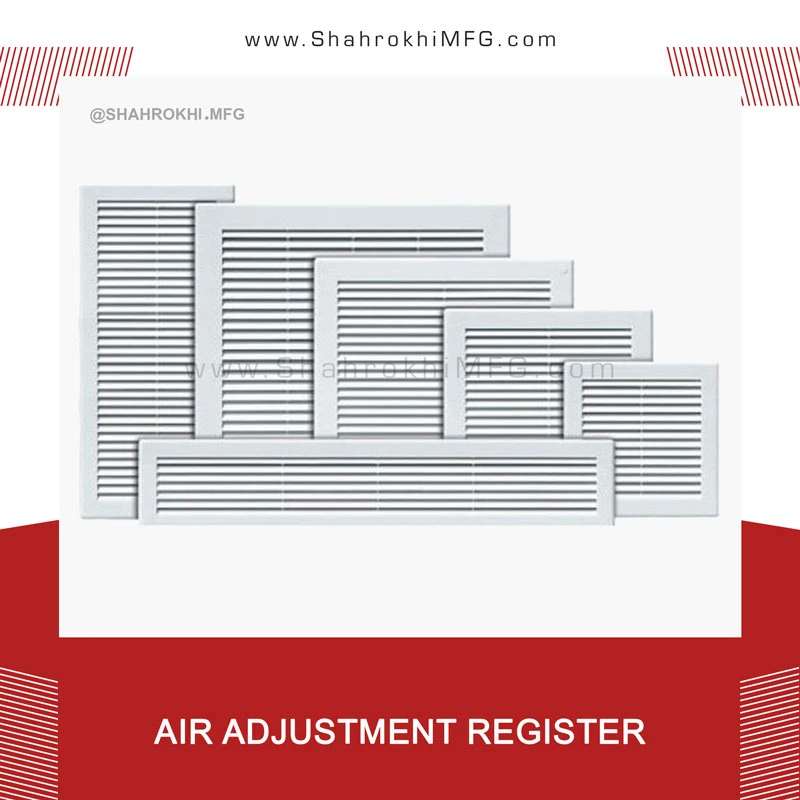
Air adjustment register

Air adjustment register – air transfer register

Air adjustment register

Before we talk about the types of air registers, we need to know what exactly this product is. Air vents are a hole in the wall covering the roof of your building. This cover should fit the dimensions of the hole. register prevent most things from entering inside.

At the same time, they provide the possibility of air circulation inside the room for heating or cooling purposes. Some air vents have additional functions. This type of register has a damper that can be moved to direct the air to a point in the room or even prevent the air from entering.


Definition of air control register

To adjust the air intake from the air channel, the air adjustment register is used. The air regulating register is made of different types of aluminum and iron. The air adjustment register consists of different vanes to determine the air path and the main frame, which divides the air outlet type of the register into one-way, two-way, three-way and four-way types.

Wall outlet air adjustment register:

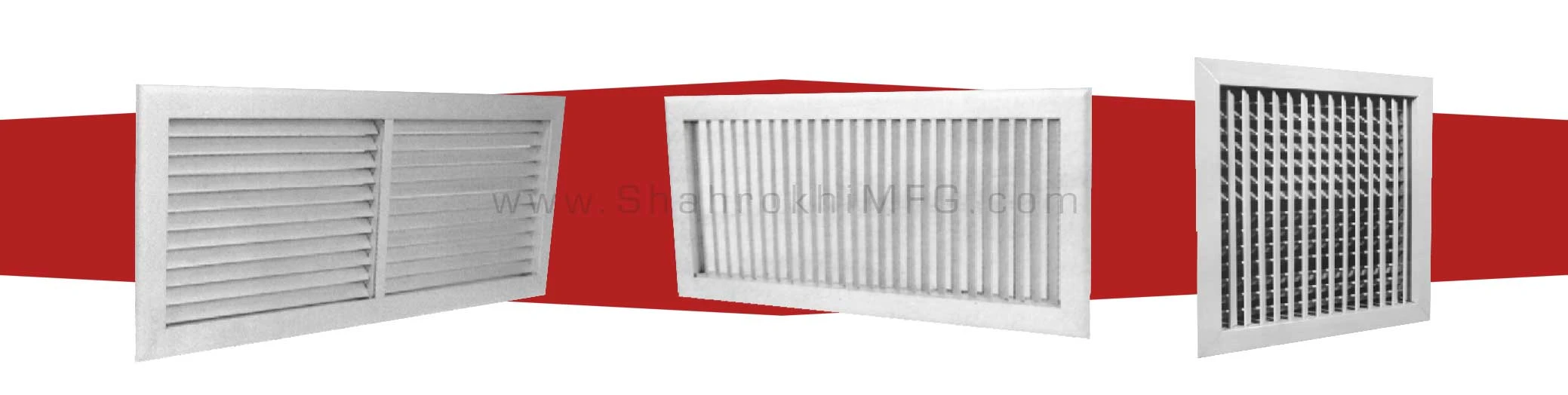
This type of air adjustment register is installed at the outlet of the air ducts. This type of register has horizontal and vertical movable blades. By adjusting the blades, you can adjust the amount of air flow and the blowing path of the air entering the space. Normally, the direction of air flow in the wall register is downward in summer and upward in winter.

The installation location of the outlet air adjustment register should be such that a suitable air velocity is created at a height of about one to two meters from the floor of the room. If there is an obstacle in front of the outlet air adjustment register, it is better to place the air transfer register far enough away from the ceiling to minimize the effect of the obstruction.


دریچه دیواری یکطرفه ثابت و متحرک

Ceiling air adjustment register

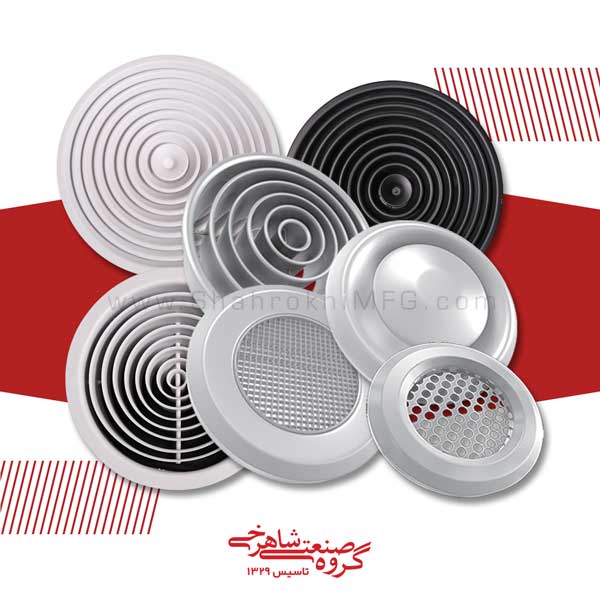
Gird diffuser ceiling air adjustment register is generally used to distribute air inconspicuously in various environments such as coffee shops, restaurants, sports, commercial, factories, warehouses and office, medical and residential environments.

Ceiling vents are installed in the ceiling in order to distribute the air evenly. Due to the different distribution of air and different throw length in constant flow, these types of registers are produced in two types, flat and prominent.


دریچه های سقفی گرد

Wall return air adjustment register

The wall return air adjustment register is installed at the beginning of the return channel, and the blades and vanes of this register are fixed and installed in such a way as to create the least pressure drop in front of the air entering the channel. This type of register usually has larger dimensions than air vents.

Difference between supply air and return air

There are two types of air registers that differ from each other in terms of function. The difference between the air supply register and the air return register can be seen from their names. A supply air register brings air into a room, while a return air register allows air to return to the ventilation system. In most modern homes, at least one air vent is installed in most rooms; But there is no need to do this and it is only necessary to install a number of larger registers in suitable places throughout the house.

Are air vents necessary?

As mentioned above, the presence of an air transfer register is necessary in every house. First of all, it should be stated that they protect your ventilation system against large-sized contaminants. Second, these products increase the efficiency of your heating and cooling system and thus reduce your costs.

What types of metals are used in the manufacture of air registers?

The most common types of metal used in making air registers are cast iron, aluminum, brass and steel. Registers made of these metals are highly resistant to rust. Therefore, they are the best choice for areas with high humidity such as bathrooms. In addition, the metals used in the production of air registers are divided into two different types.

The first group is metal sheets. Among the features of these sheets can be mentioned the thickness and light weight and easy laser cutting. Casting metals form the second group, which have high thickness and high price; But cast metals make it possible to make an air register with dimensions that cannot be obtained from sheet metal. Due to the strength and durability of cast metals, the registers made of them are suitable for installation on the floor of the building. The only catch is that they usually cost more and have more limited models.

Advantages of using metal for air vents

  • Strength against impact or pressure caused by walking or moving furniture when used in floor vents
  • Resistant to moisture in wet areas such as bathrooms
  • Long lasting

Advantages of using the register

  • Uniform distribution of fresh air in the environment
  • The exit of polluted air from the environment
  • Reducing energy consumption
  • Improving air quality
  • Increasing the beauty and effect of the environment

Types of air regulating registers based on application

If an the door louver is used, since this air regulation register works based on the pressure difference between two environments and it flows air from an environment that has a higher pressure and enters a space that has a lower pressure. It is used in places with heavy air. The following places are good options for installing the air control register:

1- Sports halls

2- Bathrooms

3- Sanitary facilities

Of course, the door louver is also used to beautify the environment and it is also used to decorate the environment. If the ceiling air adjustment register is used, because it has a circular diffuser, it is usually used to distribute air inconspicuously in different environments. The ceiling air adjustment register is used in the following places:

1- Coffee shops

2- Restaurants

3- Sports facilities

4- Commercial places

5- Various factories

6- Different warehouses

7- Office environments

8- Therapeutic environments

9- Apartments and residential units

VRF ventilation system

VRF ventilation system

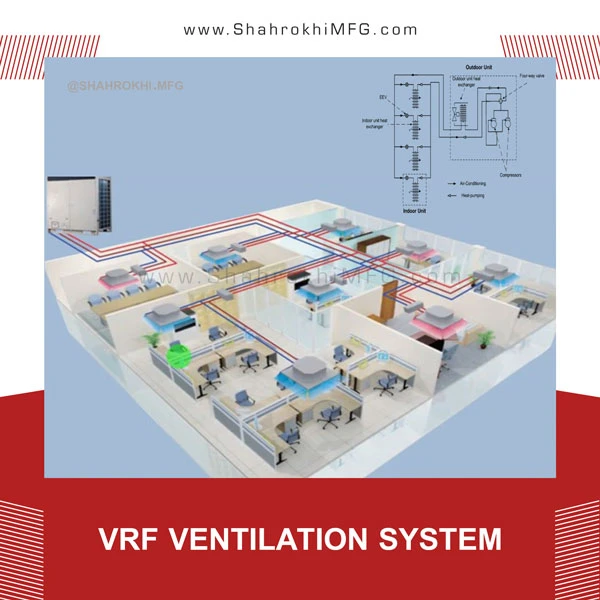
Variable Refrigerant Flow (VRF) is a type of air conditioning technology that was invented in 1982 in Daikin, Japan. A VRF system, like splits, uses refrigerant for cooling and heating. This refrigerant is circulated in a circuit by an external unit between several internal units.

VRF systems are an advanced generation of ductless multisplit systems and one of the most efficient modern air conditioning systems, allowing more indoor units to be connected to each outdoor unit. VRF systems allow simultaneous heating and cooling as well as heat recovery to reduce energy consumption. Providing heating and cooling by a fully integrated system, with a single control system, no need for an engine room and maintenance technician, as well as low power consumption and a high coefficient of performance (COP) of the device, are some of the key advantages of these types of systems.

Also, other advantages of this system include the possibility of piping in long distances, the possibility of installation in high projects, the possibility of installing different types of indoor units, the central controller, and the use of R410a refrigerant, which is environmentally friendly, and also the lack of water consumption.

Condensation refrigeration cycle

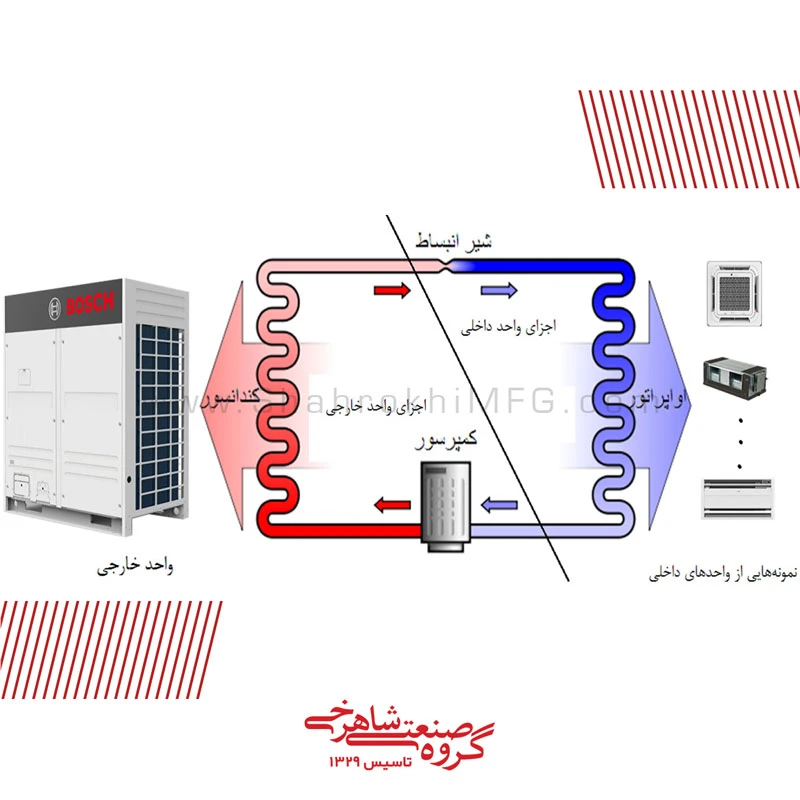
The compression refrigeration cycle consists of 4 parts: condenser, evaporator, pressure relief valve and compressor. The compressor increases the pressure; The condenser transfers heat at a constant pressure and condenses the super heat steam and sends the high-pressure liquid to the pressure relief valve, which reduces the pressure during the constant entropy process, and the evaporator also takes the heat from the environment at a constant pressure and cools the environment. The important thing about this cycle is that by reversing the position of the condenser and evaporator, it becomes a heating cycle, which is called a heat pump.

نمایش اجزای یونیت‌های داخلی و خارجی سیستم VRF در سیکل تبرید

Showing the internal and external components of the VRF system in the refrigeration cycle

VRF variable refrigerant flow systems

Variable refrigerant flow systems are the same refrigeration cycle in which the refrigerant flow rate is changed by means of a variable speed compressor (inverter) in the outdoor unit and an electronic expansion valve (EEV) in the indoor unit to provide comfort conditions. This cycle is generally the same as the condensation refrigeration cycle, but it has a series of minor differences as follows:

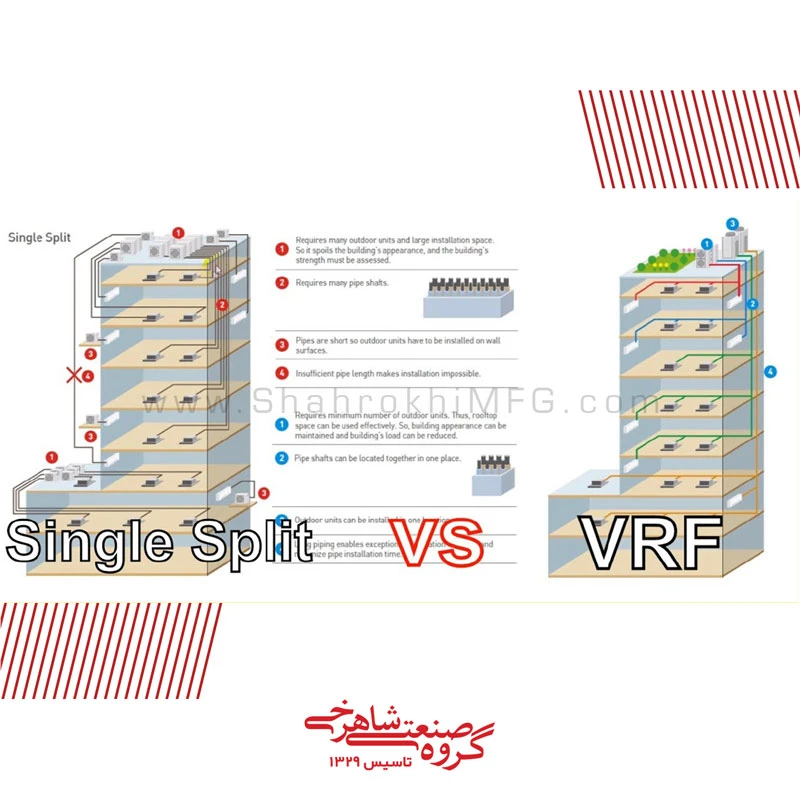
In air conditioners, the internal unit only includes the evaporator, but the external unit includes a compressor, condenser and pressure relief valve, which makes it possible to have only 10 to 15 meters of piping between the internal and external units because the pressure drop process in the expansion valve and in The external unit occurs and a significant drop in capacity occurs as the piping becomes longer, and their compressor does not have enough capacity for this.

مقایسه سیستم‌های VRF و تک اسپیلیت در ساختمان چند طبقه

Comparison of VRF and single-spilt systems in a multi-story building

But in the VRF system, the internal unit includes the evaporator and pressure relief valve, and the external unit includes the condenser and compressor. This small change makes it possible to pipe up to 1 km in these systems, and we can have a pipe height of up to 110 meters, and the efficiency increases. Also, with the ability to connect 64 internal panels to each external unit, we can use them in high-rise buildings.

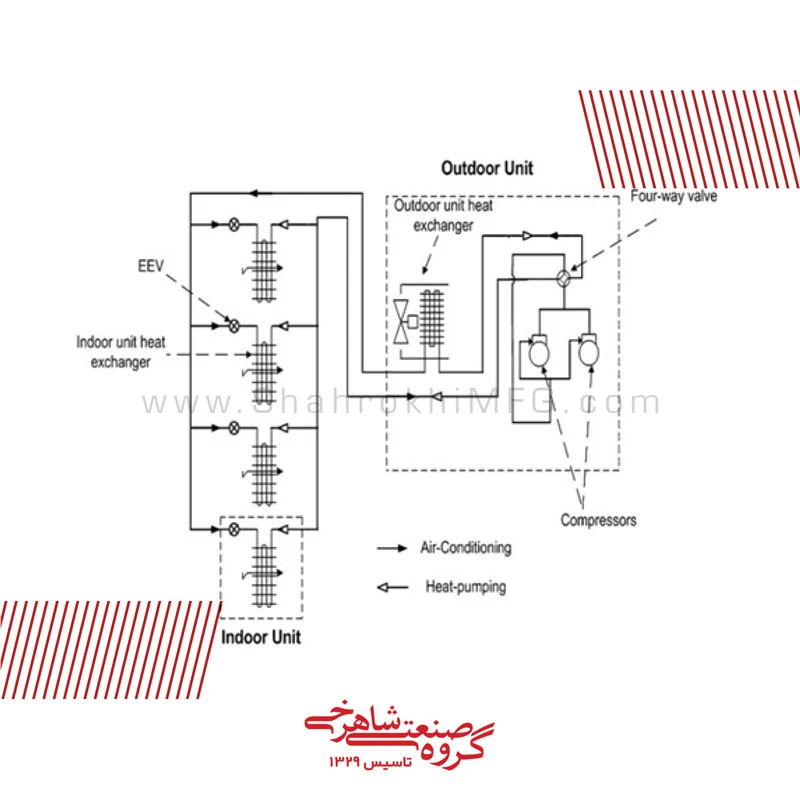
In these systems, the change of use from the heating system to the cooling system is done through a 4-way valve as shown in the figure below.

عملکرد شیر 4 طرفه و تغییر کارایی سیستم VRF

4-way valve performance and changing VRF system performance

This figure includes an external unit with two compressors and 4 internal units, in the cooling mode (solid arrows), the refrigerant is compressed in the compressor and is directed to the condenser (converter of the external unit) through the 4-way valve, and then enters the internal unit and There, it passes through the electronic expansion valve and enters the evaporator (converter of the indoor unit) and takes heat from the environment; But in the heating mode (empty arrows), after being compressed in the compressors, the 4-way valve enters the refrigerant into the internal unit, where it first enters the condenser (converter of the internal unit) and gives heat to the environment, then it expands in the expansion valve and The external unit enters and takes heat from the outside environment in the evaporator (converter of the external unit).

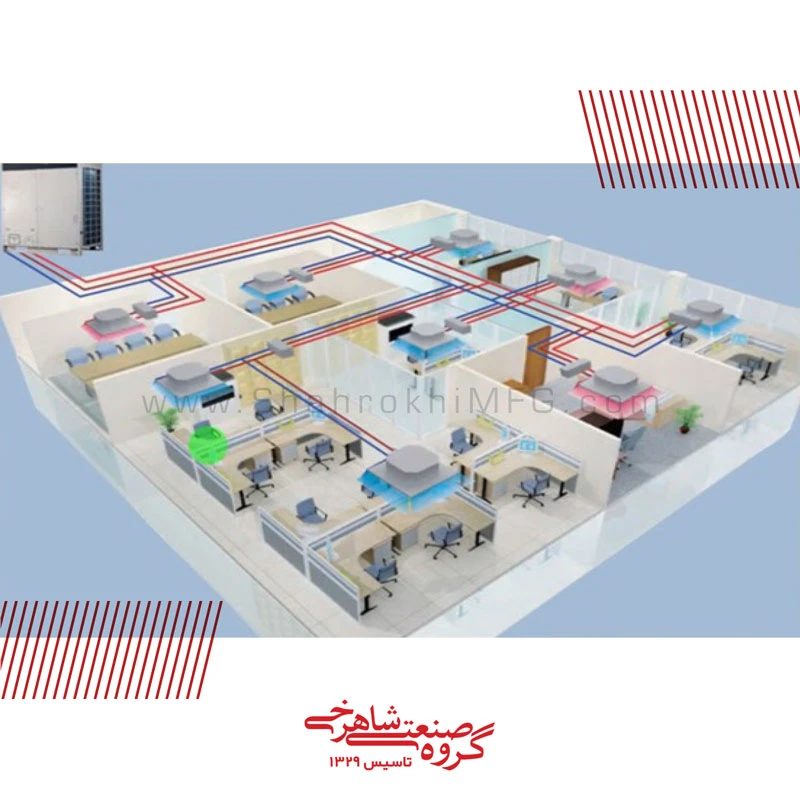
These systems also have a special feature in addition to cooling and heating which is the feature of all compression refrigeration cycles, which is the ability to simultaneously cool and heat in different spaces by means of a compressor. This feature is very useful for places like hospitals or places that have data centers and can provide up to 2 times the efficiency for the same capacity.

گرمایش و سرمایش همزمان توسط یک یونیت VRF در زون‌های متفاوت یک ساختمان

Simultaneous heating and cooling by a VRF unit in different zones of a building

This is done in such a way that part of the refrigerant after condensing in the compressor in the outdoor unit does not enter the condenser of this unit and instead of entering the condenser of the outdoor unit, it enters the indoor environment and in the indoor unit, the place that needs heating. It is entering the evaporator without passing through the expansion valve. In this case, the evaporator acts like a condenser, and the refrigerant comes out as a dense liquid and enters the internal units that are responsible for cooling through the pipes along with another part that was condensed in the condenser of the external unit.

The various components of these systems include:

External unit with a capacity between 7 and 26 kW as a front panel, from 25 to 50 kW as a single panel and from 50 to 200 kW as several external units that are modularized together. The internal components of this unit are as follows:

External unit components

  • Compressors
  • Fan (axial)
  • Coils (condenser)
  • Electronic board
  • Inlet and outlet valves
  • Accumulators (as a reserve source, in which the refrigerant is stored if necessary, and they also regulate the entry of gas into the compressor.)
  • Sensors
  • Oil separators

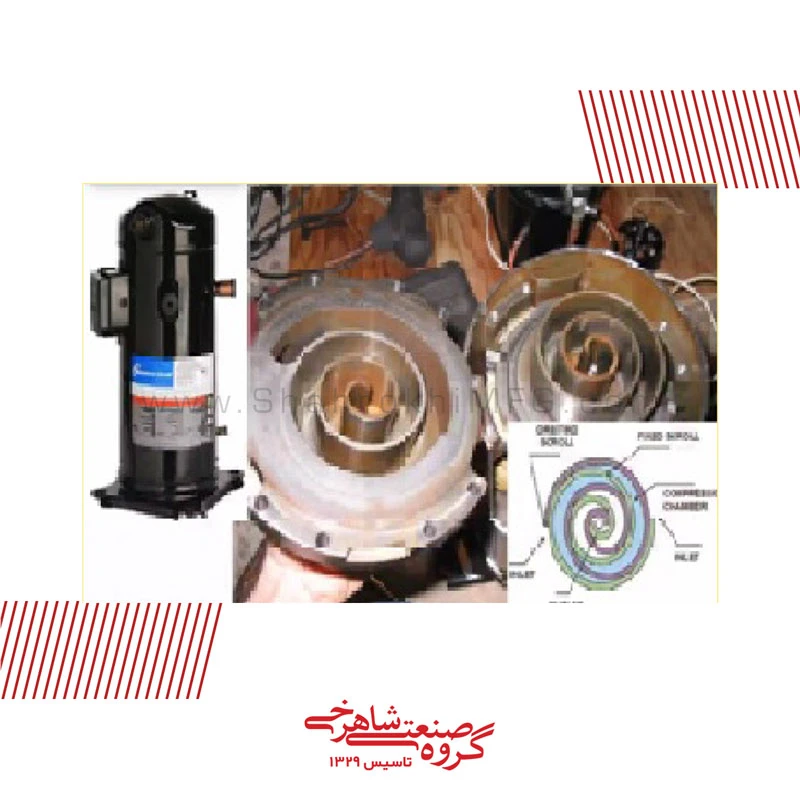
* The compressor of these systems is generally scroll and hermetic or semi-hermetic, which is almost unrepairable.

نمای داخلی و خارجی کمپرسور اسکرال

Internal and external view of scroll compressor

Indoor unit components

  • Fan
  • Expansion valve (after the inlet pipes)
  • Coil (in the inlet pipe, which is generally smaller in diameter, the refrigerant enters as a liquid or a combination of liquid and gas, and after passing through the expansion valve, it leaves the outlet pipe (gas pipe) as a gas. The gas pipe is usually larger and if It’s cool to the touch.)

Copper pipes

In VRF systems, these pipes are the interface between indoor and outdoor units and all components in general. The important thing about branches is that there are branches that are responsible for the proper distribution of refrigerant, and if proper branches are not used, the distribution of refrigerant will not be proper and we will not have proper heating and cooling, or even a part of the system will be disturbed.

Shahrokhi Industrial Group

chilled beam application

chilled beam application

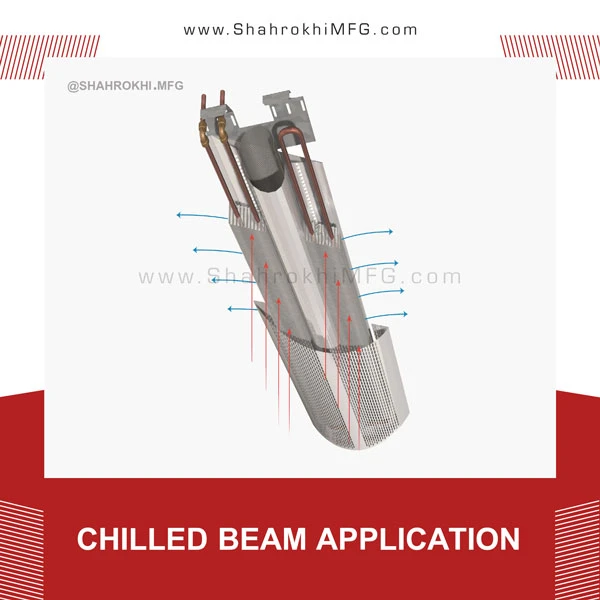
The use of strong induction property in the example of active chilled beams has caused the complete elimination of the fan compared to the fan coils, which causes the complete elimination of sound.

About 20% of the incoming air in these systems is provided by the air conditioner, which has already been silenced, and the remaining 80% enters the Chilled beam from the environment by the induction property (suction) produced by the Chilled beam.

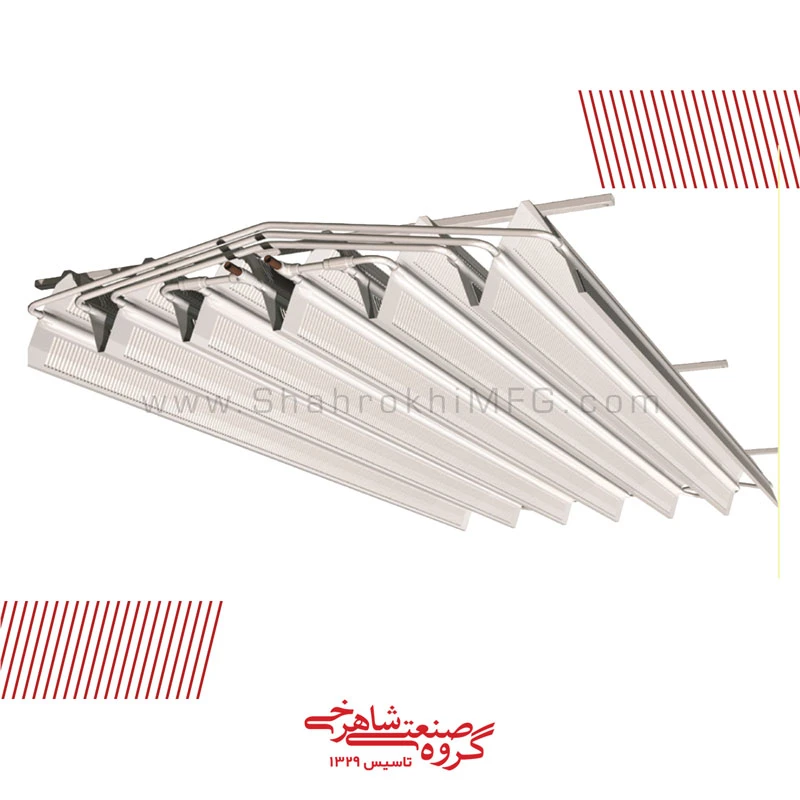
Another type of child beam is its passive type – or cooling ceiling panels – which are used to cool the ceiling.

The simultaneous use of radiation properties has a significant effect on the significant increase in the working efficiency of child beams, especially its passive type.

In this type of child beam, without the intervention of a fan, the hot air goes up by the natural convection current and after hitting the coil and cooling, it moves down freely without the help of a fan and cools the ambient air.

In each Chilled beam cooling unit – of passive and active type – the water temperature between 15 and 17 degrees Celsius is pumped to Chilled beam by the water system in order to bring the ambient air temperature to the appropriate level.

The temperature of hot water in Active Chilled beam type is about 500 C, which makes it possible to use solar energy for heating in winter.


Performance of child beams of Active model

The main design of this type of chilled beams is in such a way that fresh air enters special air discharge nozzles with dynamic pressure, and as a result, the static pressure, which is lower, causes hot air to be drawn from the room to the chilled beams.

Inside the Chilled beam copper tube, cold water is passed for cooling, which consists of aluminum fins (coil), heat is absorbed through aluminum and cooled by cold water. Then the ambient heat is transferred to the water circuit through the copper pipe and returns to a central cooling unit. Also, a heating function can convert cold water copper pipes to hot water and thus heating ventilation.


انواع چیلد بیم

Performance of passive model child beams

The warm air inside the room is always on the surface of the cold air due to its lower density. The cold water passes through the cold rays of the child beam and cools the warm air above the room, and as a result, the cold air moves down due to its higher density (Drop phenomenon) and this cycle continues day and night to make the ambient air favorable. make

The general result is that these types of child beams can reduce the temperature of the environment without having a fan or even fresh air intake (optimizing energy consumption) and without making any noise.

In a cold rolling process, the copper tube is made efficient by metallurgical bonding to an aluminum sheet (Gills) which enables the transfer of energy from the cold surface to the water circuit and makes galvanic corrosion between the metallurgical bond of copper and aluminum impossible.

Shahrokhi Industrial Group


Fixed Linear Bar Register Damper

fixed Linear Bar Register damper

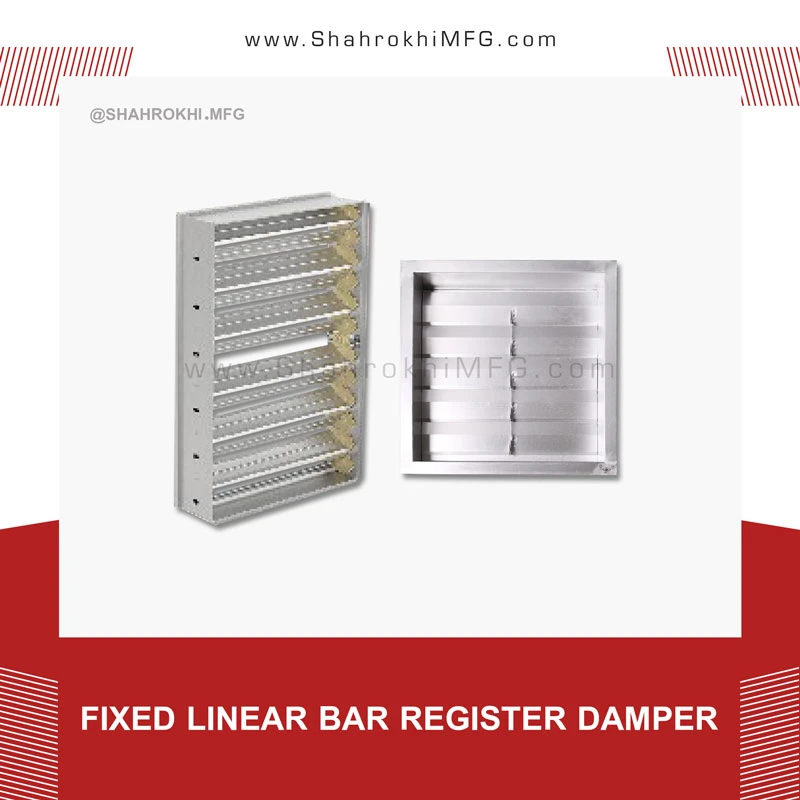
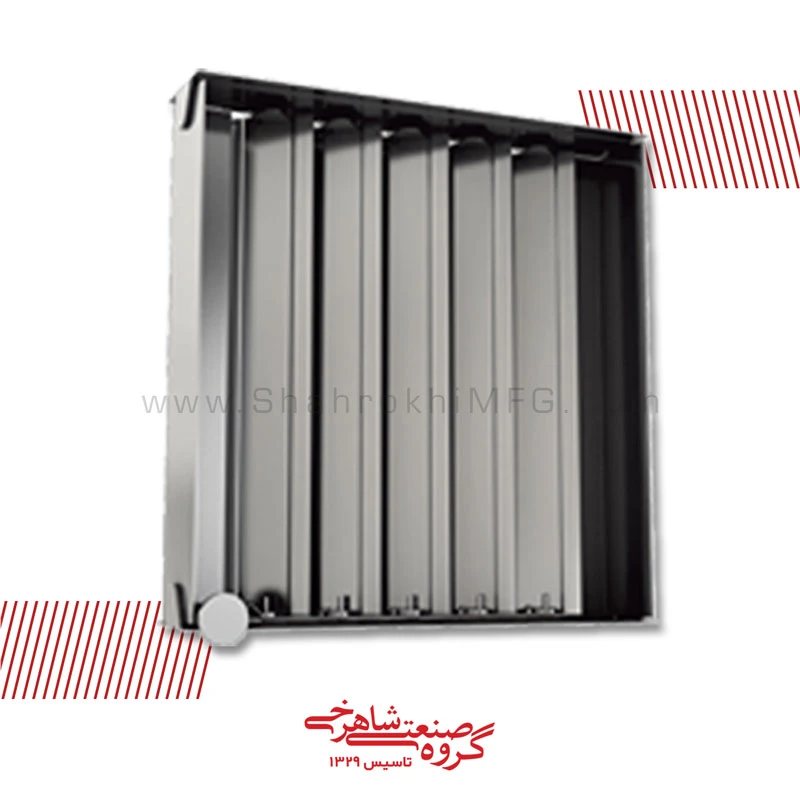
Fixed Linear Bar Register damper is used to adjust the air flow rate or, if necessary, to completely cut off the air flow.

The blades of this type of dampers are made in two parallel types, 7 and 8. The levers used to adjust the parallel blades can be made in three types: sliding, switch and key. It is possible to connect these levers to an electric switch or a remote control system in places where there is a long wall or an inaccessible facing channel, such as amphitheater halls, cinemas, etc.

It is also possible to set the ambient temperature as desired by an electric thermostat placed on the steering wheel.

Transmission of motion in the damper

In types 7 and 8, the movement is transferred by the rotation of a special screw.

In the sliding type, the lever is placed in the middle of the damper, and its movement type is horizontal.

In the type of switch, the lever is placed in the corner, and the type of transmission is rotary.

In the key type, the lever is placed on the valve frame, and its movement transmission type is vertical.

دمپر دریچه های خطی ثابت

Damper material of Fixed Linear Bar Registers damper

Key types 7 and 8 are made of 1.25 mm thick aluminum profile with an anodized aluminum coating of good quality.

All types of sliders and switches are made of aluminum sheet with a thickness of 0.7 mm. You can also use 0.7 mm thick galvanized iron sheet for sliding, switch, 7 and 8 types.

It is possible that the final painting can be done by spraying liquid or powder paint (electrostatic) using white polyester or any other color with a specific ral number according to the request.

Shahrokhi Industrial Group

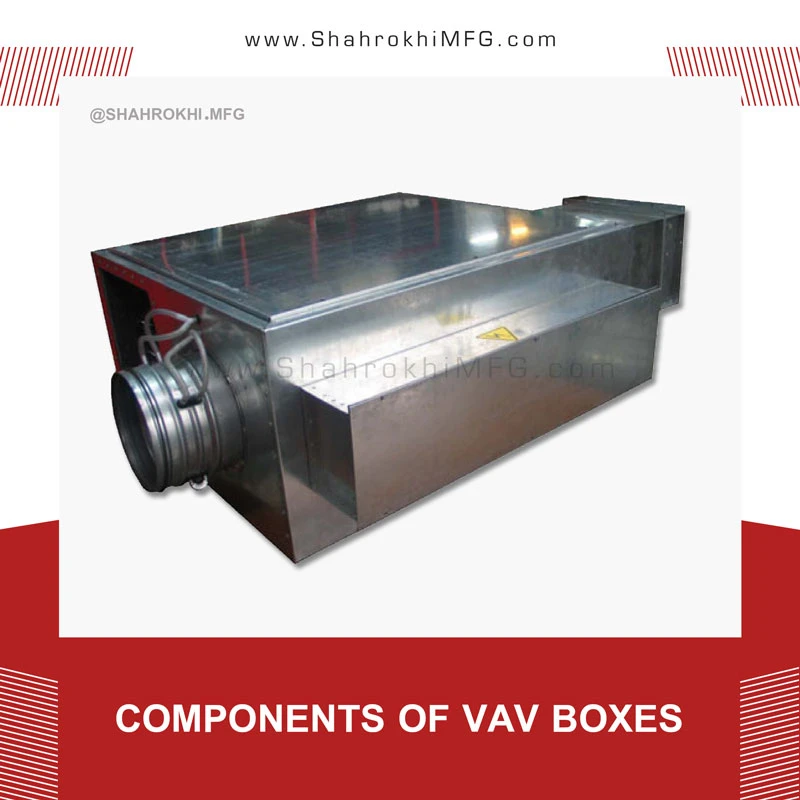
Components of VAV boxes

VAV boxes

The role and importance of VAV BOX in air conditioning systems:

Components of VAV boxes

Ventilation includes a significant part of building costs. The research conducted in developed countries shows that about 60 to 70 percent of the energy consumption of buildings is spent on ventilation and air exchange of the building with the outside environment.

Therefore, the most suitable ways to optimize the energy consumption of buildings is the use of modern ventilation systems, including the use of VAV systems.

These systems make each room have the amount of ventilation air it needs.

Reducing the volume of air entering each room and ventilation as needed to cool or heat the air will reduce the volume of air coming out of the devices, and as a result, the cost of ventilation and energy consumption will be significantly reduced.

In addition to reducing costs, it is possible to set the desired temperature in each room.

Researches and studies show a direct relationship between the optimal temperature of the workplace and the optimal performance of employees, and VAV systems significantly help to create these favorable conditions.

Components of VAV boxes

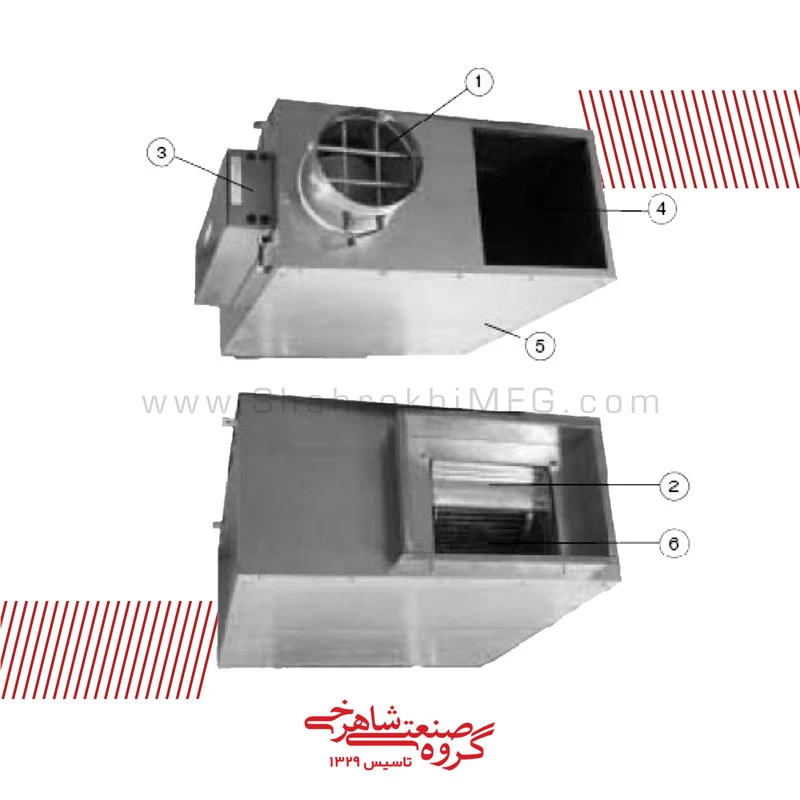
VAV box fans include the following parts:

  1. Fresh air intake damper from the air conditioner: This damper consists of a VAV box that brings fresh air from the air conditioner into the box as needed.
  2. Fan: It includes one or two fans, which are selected and designed according to the principles of construction and working conditions, according to the pressure, flow and sound of the fan.
  3. Control circuits: It includes all control circuits including transformers, relays, etc.
  4. The place of air intake from the room: This place is intended for the suction of room air, according to the need at any time, so that the total volume of air intake from the air conditioner and the volume of air intake from the room is always constant.
  5. Box inspection valve: This valve is used to inspect all parts including fan, VAV box and control connections.
  6. Air outlet: Some of the additional options such as electric heater and channel silencer can be installed in this place.

اجزای VAV باکس فن ها

How the vav box works

In places with a large air volume and relatively high altitude, VAV box fans help to optimize energy consumption by transferring hot air from the top to the bottom. Of course, if necessary, you can also use a supplementary heating coil.

An increase in the amount of CO2 in any space causes fatigue and dullness. This issue is compensated by the entry of fresh air into the environment by the VAV box. There are different methods for bringing in fresh air as well as heating and cooling the environment in parallel. One of the best options to optimize energy consumption is the use of VAV boxes, which are part of the VAV box fans.

An important point in the construction of these devices is the use of mechanical and electrical parts that have been used by Shahrokhi Industrial Group for many years with complete satisfaction. For example, in making all kinds of air curtains, etc.

Shahrokhi Industrial Group


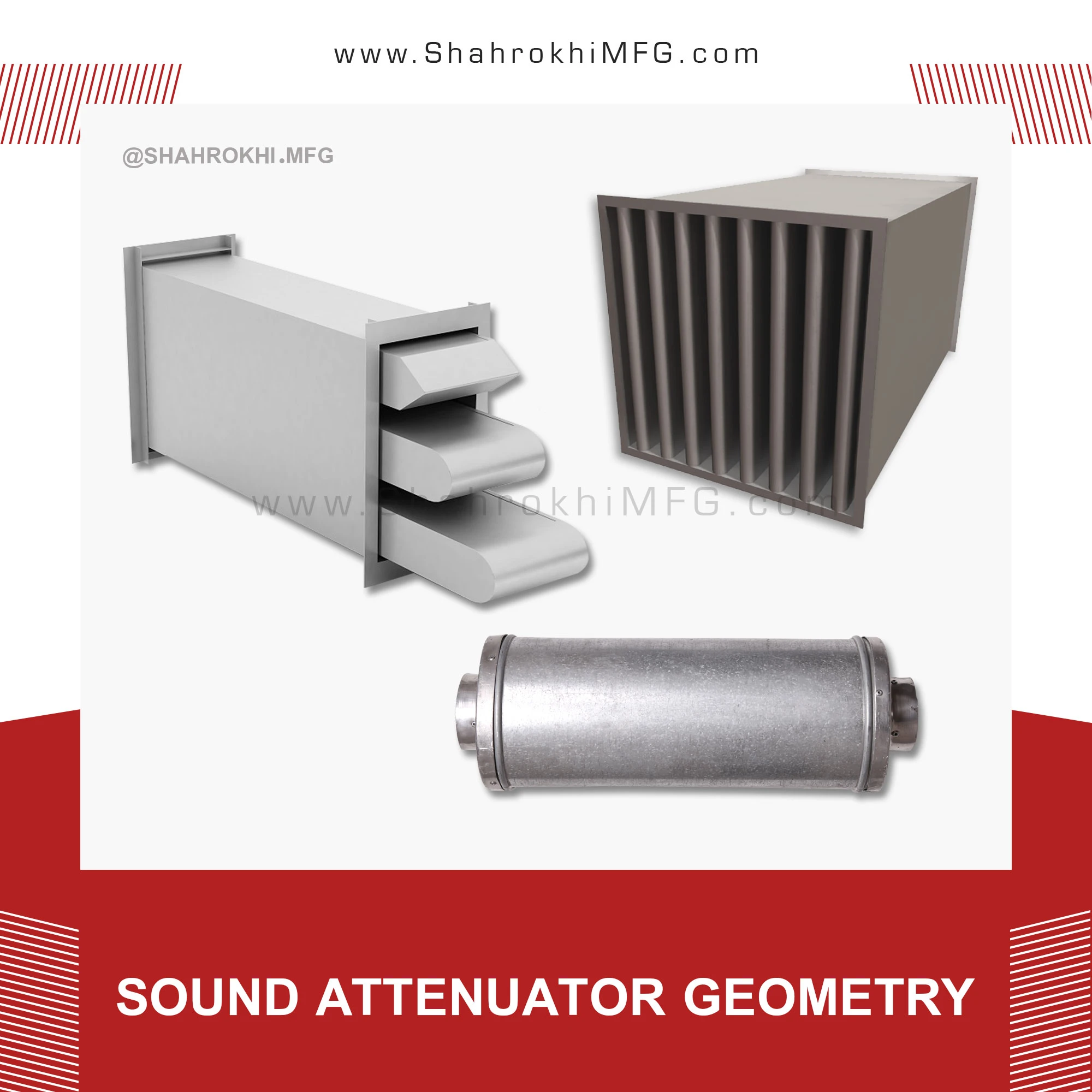
sound attenuator geometry

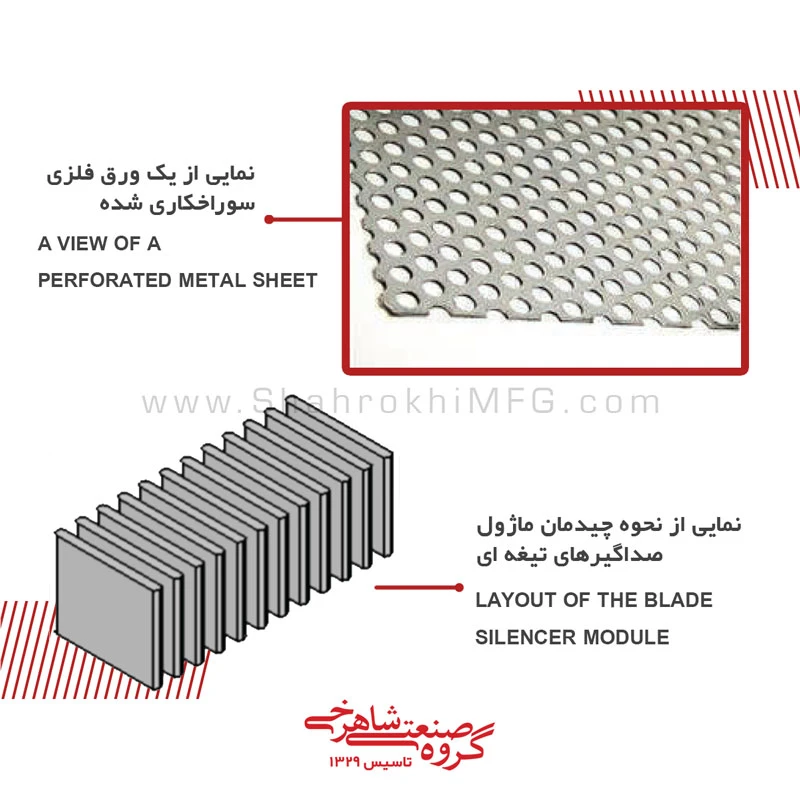
The structure of sound attenuator consists of one millimeter-thick perforated sheets, where porous materials are placed between the two sheets depending on the place of use.

sound attenuator geometry

Sound absorbers that are used in most cases today are in the form of vertical blades with specific length and width. Blades placed next to each other with equal distances in the ventilation channels. Therefore, passing through these blades by two surfaces and the sound absorbing property of the porous materials in the body of the blade, the air flow loses its accompanying sound to a certain extent.

Advantages and disadvantages of sound attenuator

These sound attenuators have advantages, among which we can point out stability against air flow and wind speed, as well as the ability to replace damaged modules. In expressing the disadvantages of using this arrangement method, we can also mention sound attenuator by the side walls of the absorbers and the use of many connections to keep them standing and their heavy weight.

جنس و طراحی صداگیرها

What is a sound attenuator?

In the air conditioning ducts, generally, due to the operation of the fan, whether axial fans or centrifugal fans, an unpleasant sound is dispersed in the environment. The intensity of this noise varies depending on factors such as the type of fan, the distance of the fan from the location, the type and type of channels and branches, the type of surrounding walls and other such factors, but in any case, the presence of this noise will create an uncomfortable environment for the residents.

Channel sound attenuator

Nowadays, channel sound attenuator are used to solve this problem. With their special design, these silencers, in addition to reducing the impact on ventilation air flow, eliminate the sound produced by air conditioners to a very high extent. Silencers are widely used in industries such as metallurgy, electricity and power, mining and subway tunnels and interior architecture in order to reduce the sound of the air conditioning system.

The type and design of sound attenuator

The type and design of sound attenuator is such that it absorbs the noise produced with all kinds of frequencies and in the range of human hearing (from 63 Hz to 8000 Hz) it provides comfortable environmental conditions in terms of sound. In this regard, the design of a sound absorber that can provide these conditions in the environment is of particular importance in such a way that in case of improper design, the sound absorber will be able to absorb sound and as the factor of creating sound, it will double the difficulties. The basis of sound absorption in sound absorbers is based on the absorption of waves in porous materials.

Porous absorbent material

Sound absorbing materials absorb most of the sound energy and reflect a small amount of it. Therefore, the use of these materials is very useful to control the amount of noise, and they are used in various places such as points close to sources of noise production (such as fans in air conditioning systems) and inside air transmission channels.

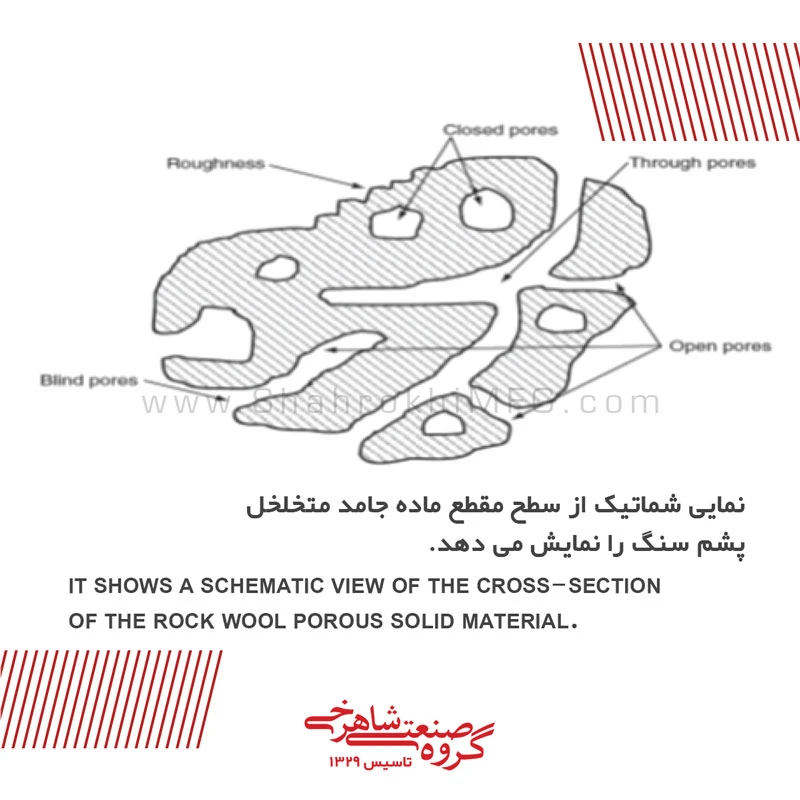
There is a wide range of these materials that provide a variety of absorption properties based on sound frequency, composition type, thickness, outer surface, and installation method. Meanwhile, materials with high sound absorption coefficients are usually porous. A porous absorbent material is a solid that contains holes, channels, or slits that sound waves can enter.


مواد جاذب متخلخل

Types of porous absorbent materials

Stone wool is among the family of thermal insulators consisting of mineral fibers. The primary and main material for the production of this insulation is basalt stone, from the group of igneous rocks, which is a remnant of volcanic activity. Due to the streakiness of its raw materials, its manufactured product may not have uniform purity. The method of producing stone wool is that basalt stone is first melted at a temperature of 1500 degrees Celsius and becomes molten silicate.

Then the resulting melt is transformed into fibers with a diameter of about 6 microns under special methods. The set of these fibers make up rock wool. Also, this insulation is a very desirable sound insulation due to the absence of sound propagation among the components and sound absorption. Therefore, they are installed in airports, recording studios, under the rails and in metro stations in the city. Increasing the thickness and creating a suitable air gap behind the insulation increases the amount of sound energy attenuation.

Shahrokhi Industrial Group


shahrokhi air curtain systems

shahrokhi air curtain systems

Today, the optimal use of energy is one of the biggest concerns of industrial societies. The dependence of industry and technology on energy has turned the fear of running out of it into a nightmare for modern humans. This concern has made man to make more efforts in conserving energy and think more about its consumption.

Many cases in various industries, from automobile manufacturing to construction, have been foreseen for this purpose. Air curtain systems have been used in industrialized countries for many years, and fortunately, special attention has been paid to these systems recently in our country.


What is an air curtain?

سیستم پرده هوای شاهرخی

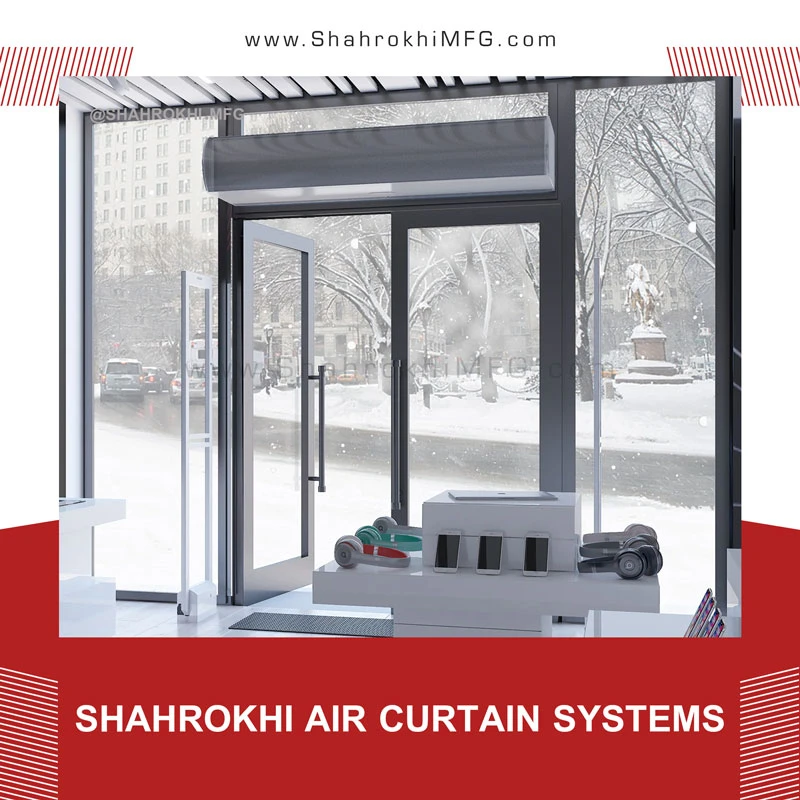
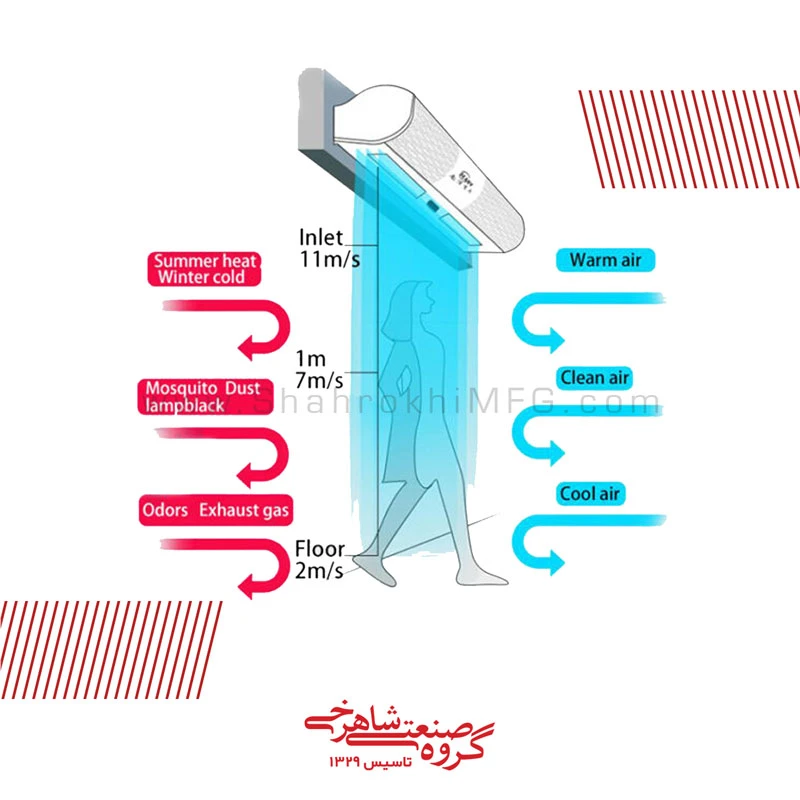
In short, an air curtain is a very high speed air jet that creates a protective air layer.

This layer of air minimizes the transfer of heat, moisture, dust and the entry of insects through open doors. This system creates a kinetic energy in the air, which creates a resistance against the penetration of air and unwanted particles.

This is very useful in high-traffic places that are regularly in contact with the outside environment and saves energy.


Air curtains made by Shahrokhi Industrial Group

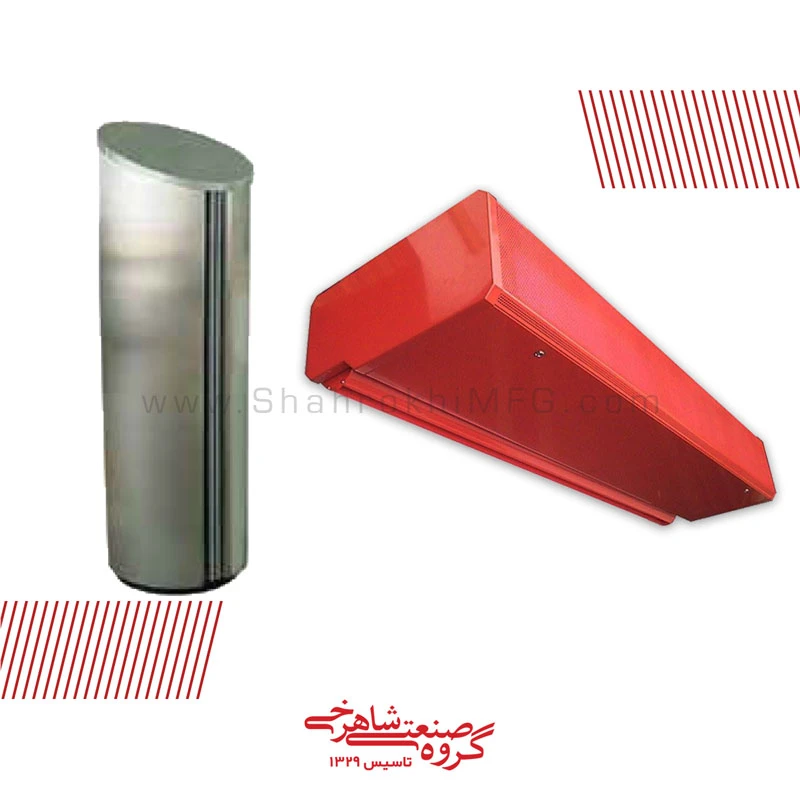
Shahrokhi Industrial Group, in addition to having the representation of reputable European companies in the direction of the country’s industrial independence, has started to build these types of systems inspired by foreign examples, these systems are available in two types, industrial and general, in different models and sizes according to the installation location, height and Ambient wind intensity is made. It is hoped that considering the brilliant history of Shahrokhi Industrial Group in the field of facilities, the new products of this unit will attract the satisfaction of respected customers.

پرده هوا

Shahrokhi Industrial Group

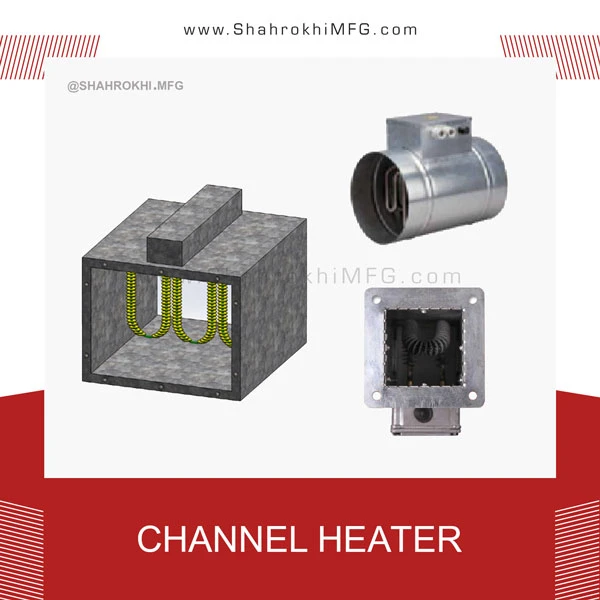
channel heater

channel heater

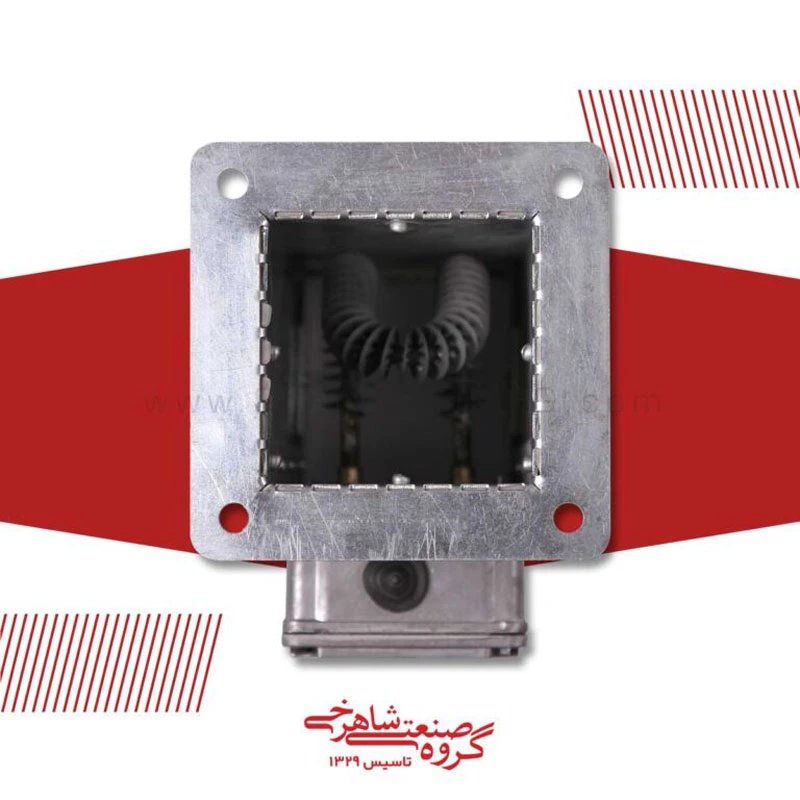
Channel heater is a device that is used to heat the air inside the duct to enter office, commercial and residential environments.

When the conditioned air is produced in the air conditioner and exits from the coil due to the long path of the channel, the heat exchange causes the temperature of the hot air to decrease, which can be compensated by the heaters inside the channel.


هیتر کانالی شاهرخیAdvantages of using channel heaters

  1. Can be used in spaces where it is not possible to install a water coil.
  2. Can be used in systems that have long ducting lengths.
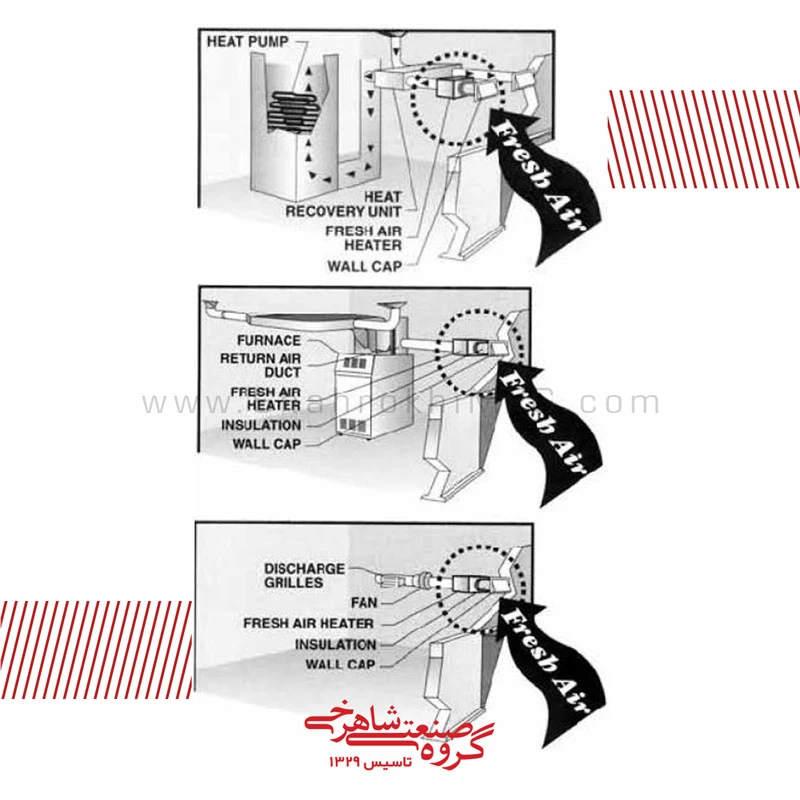
  3. Ability to heat fresh air in winter
  4. Ability to increase air temperature suddenly

هیتر بین کانالی شاهرخی

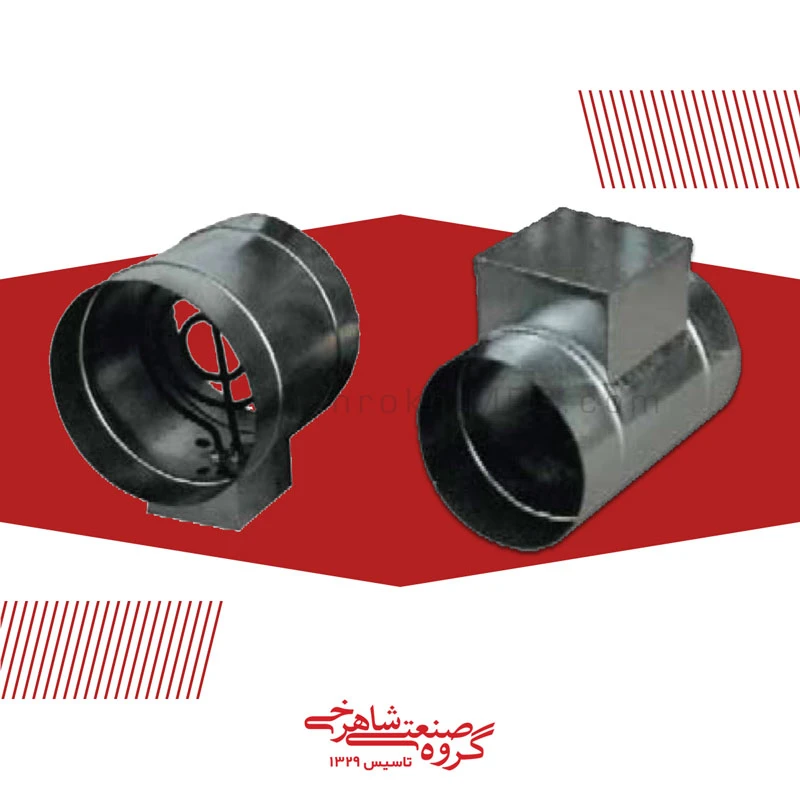
All kinds of channel heaters with a capacity of 0.25 to 32 kW

  1. Round duct heater in size 6 to 20 inches.
  2. Double-wall round duct heater with fireproof insulation in sizes 6 to 20 inches.
  3. Square heaters in different sizes.
  4. Fresh air fan heater equipped with a fan filter.
  5.  

هیتر بین کانالی شاهرخی

Shahrokhi Industrial Group

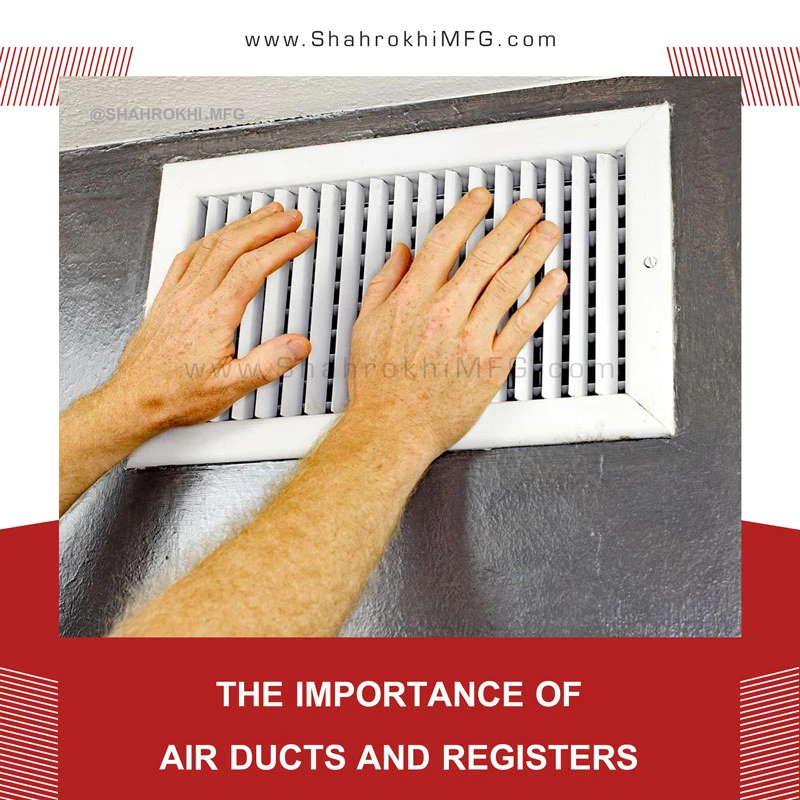
The importance of Air Ducts and Registers

What Are Air Ducts and Registers?

اهمیت دریچه های تنظیم هوا

Air ducts are the intricate system of tubes and related parts that distributes the airflow of your air conditioner (and HVAC system at large) throughout your home or commercial building.

Registers at the end of each air duct direct the airflow within a room or space. Supply air registers are not returns; they do not bring air back into an HVAC system. A return will have a permanent, unmovable grille. In addition, supply air registers and returns are also called “vents”.

Where Are Air Ducts & Registers Located?

Air ducts are located behind walls and floors and are visible in crawlspaces, attics, and basements or cellars. Some split-system air conditioners do not use conventional ducting, though ductless air conditioning may not be right for all homes or businesses.

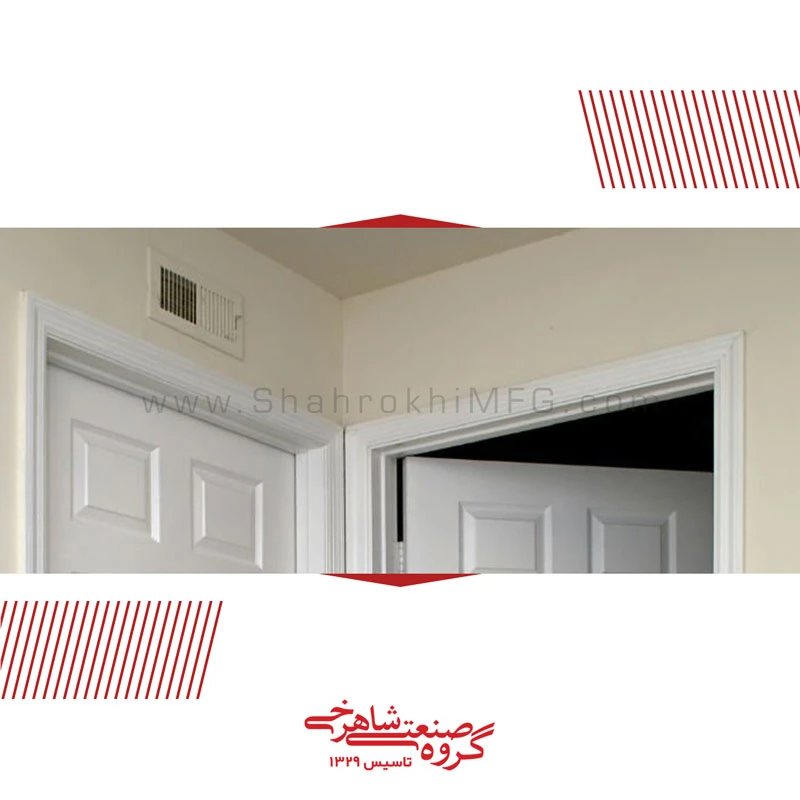
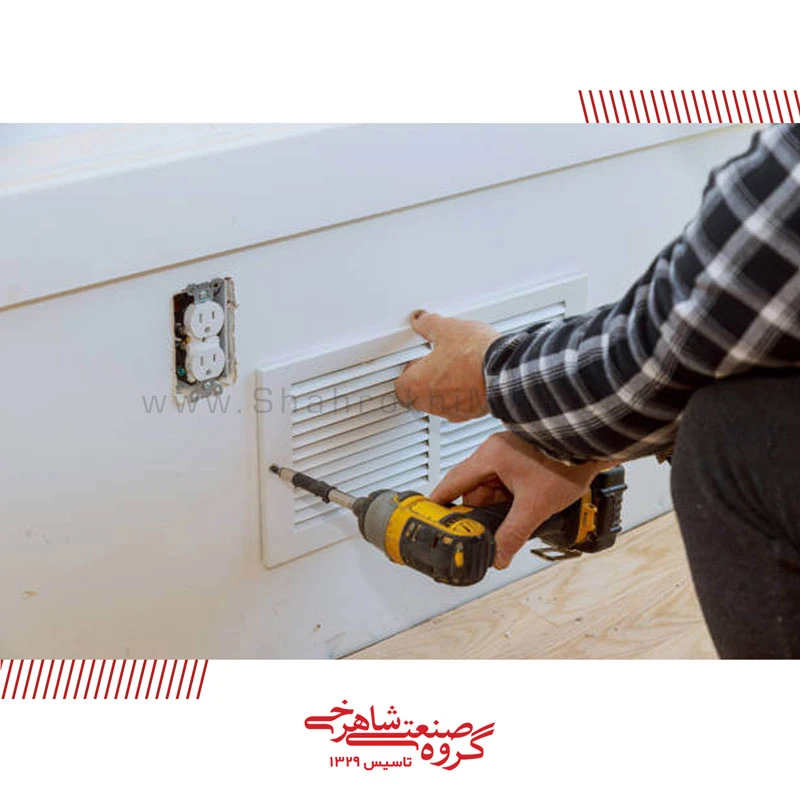
Registers are installed on metal cans in the opening of a wall. For example, either up high toward the ceiling or near the base of a wall. Also registers are found in floors in older homes .

اهمیت دریچه های تنظیم هوا

How Do They Each Work?

Apart from the air ducts themselves, ducting includes other crucial components:

  • Vibration isolators, which minimize an operating HVAC system’s vibration
  • Metal cans allow the flow of air to move from the ducts to the registers
  • Dampers, which adjust the volume of air
  • Vanes, which smooth out air flow around turns

in order to have a balanced, comfortable home, careful sizing and placement of return and supply air ducts and registers is important.

Registers have bars that you can control with an adjustable damper (a lever, knob, or another movable part on one side of the register) to reduce or direct airflow.

What Makes Them Important?

اهمیت دریچه های تنظیم هوا

Ducting acts as the arteries and veins of your air conditioning system. They deliver the right amount of cool air to each room in your home or commercial space.

Registers help control the comfort level of a space by providing a way to direct airflow at the point it enters a room.